STUDIOEDIT.BLOG
The Saturated Desert: Navigating the Steep Climb of the Independent Designer
Is the modern algorithm killing original art? A raw look at the steep climb of independent design, trend-chasing, and navigating a saturated market.
DESIGN EDITS
Helena C.
6/27/20263 min read
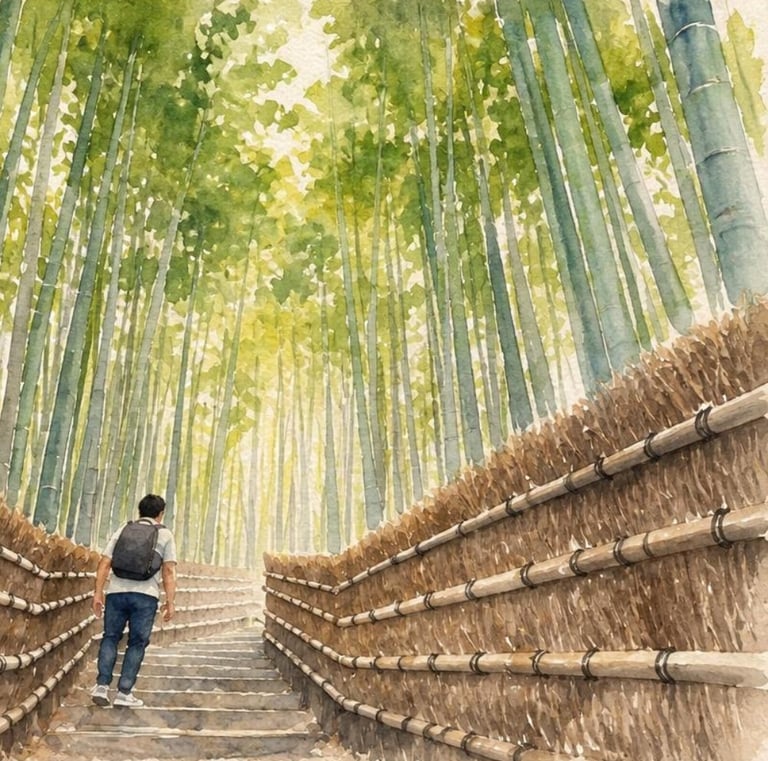
LEFT IMAGE: Digital Watercolor Rendition
Trying to build a name as an independent designer or artist feels less like a creative journey and more like a steep, exhausting mountain climb. If you are trying to make a living creating what you actually want to make, you quickly run into a wall of algorithms, copycat trends, and a flooded digital landscape.
Here is a raw look at the three biggest battles independent creators are fighting—and the only way forward.
RIGHT IMAGE: Actual Photograph
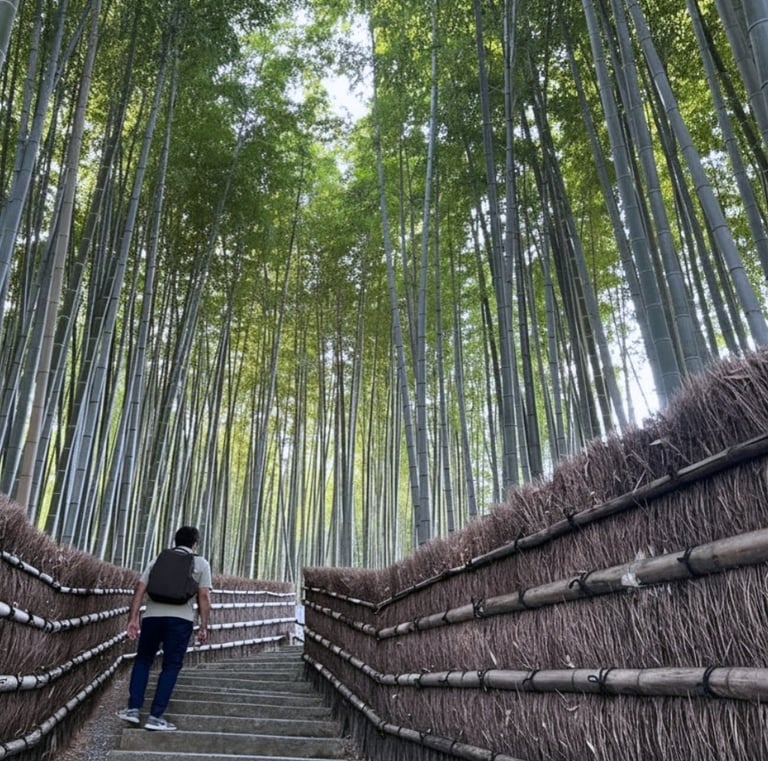
The modern algorithm demands a relentless sacrifice of trends. When a specific aesthetic or topic starts performing well, the algorithm begins to reward it heavily. To survive and gain visibility, creators feel forced to cannibalize those trends. The result is a bizarre paradox: the digital market feels both completely saturated and deeply scarce. It is saturated with identical, copycat designs, while simultaneously suffering from a scarcity of truly unique, individual human expression. By trying to feed the machine what it wants, we end up drowning out our own unique creative voices.
1. The Algorithm Demands: Saturated but Scarce
The Buyer is stuck in an echo chamber, seeing only the same recycled styles over and over again, with very little genuine variety.
The Seller who chooses not to ride the trend wave is left buried at the absolute bottom of the search results, penalized simply for sticking to what they do best.
When a specific design style—like bold typography or Y2K retro graphics—takes off, a massive wave of sellers rushes to duplicate it. This leaves the creative ecosystem fractured:
You are forced into a difficult choice: bend your art to fit the flavor of the month, or stay authentic and risk shouting into a completely empty void.
2. The Trap of Trend-Chasing
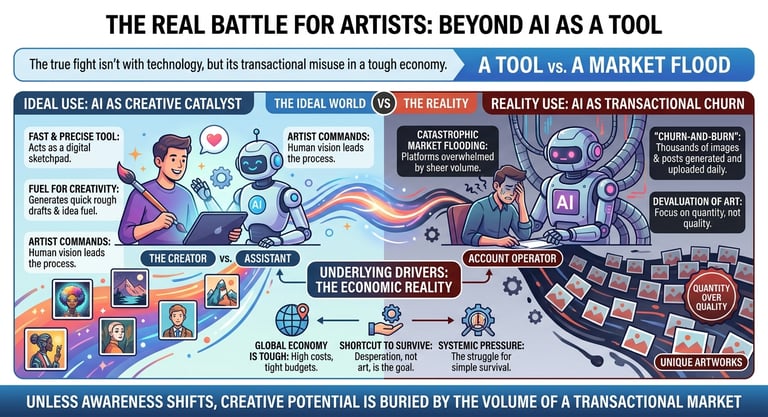
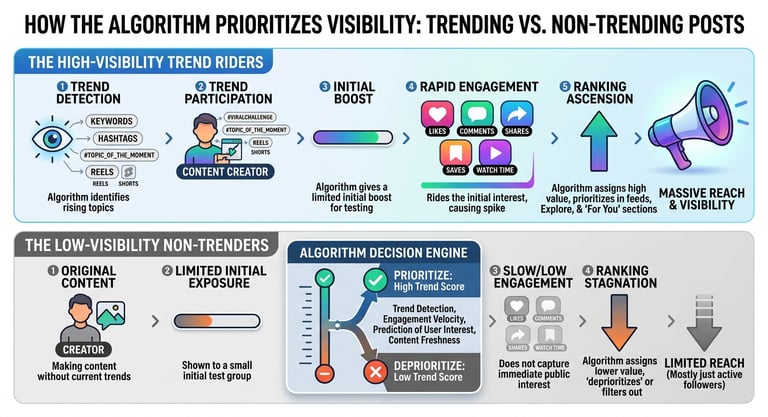
AI Generated Infographic
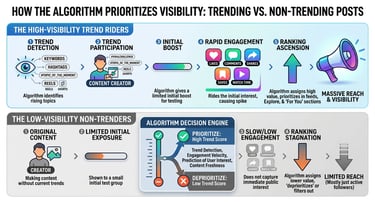
AI Generated Infographic
Instead, the reality is far more transactional. AI has fueled a catastrophic flooding of the market. Platforms are now overwhelmed by "churn-and-burn" accounts that can generate and upload thousands of "artworks" and blog posts a day. And honestly? It is hard to completely blame the people running those accounts. Money is tight, the global economy is tough, and people are just trying to find a shortcut to survive.
Let’s be clear: the real battle artists are fighting is not actually against AI itself. AI is simply a tool. It is fast, mathematically precise, and operates at your command. In an ideal world, it should act as a digital sketchpad to fuel human creativity and generate quick rough drafts.
3. The Artist vs. AI Fallacy
Conclusion: Is There a Solution?
The modern independent designer isn't just competing with other artists anymore; we are competing with automated production lines that can output dozens of designs a day or deliver a logo in under 24 hours.
Is there a clean, perfect solution to fix this? Honestly, I don't think there is. The system is built the way it is.
It is a steep climb, and the view can look pretty grim. But for those of us who still want to make things with a soul, learning the rules of the technical landscape is the only way to carve out our own corner.
Mastering the Boring Stuff: Learning the mechanics of SEO and how search engines actually index our work so we don't rely solely on fickle social algorithms.
Hyper-Focusing on a Niche: Finding a highly specific, dedicated online community that craves human-made, un-templated work.
Platform Optimization: Intentionally formatting, sizing, and optimizing our designs for different devices and platforms (like ensuring high-DPI specs for prints) so our quality remains unmatched by automated bots.
But while we can't fix the macro system, there are ways we can start trying to survive within it. Moving forward as a creator means leaning heavily into the technical reality of the digital age:
Subscribe to my newsletter
Get in touch
Whether you want to discuss a new brand identity project, look at custom travel prints, or just say hello, my inbox is always open.