STUDIOEDIT.BLOG

BREAKTHROUGH: PASSIVE RADIATIVE COOLING
8/1/2026
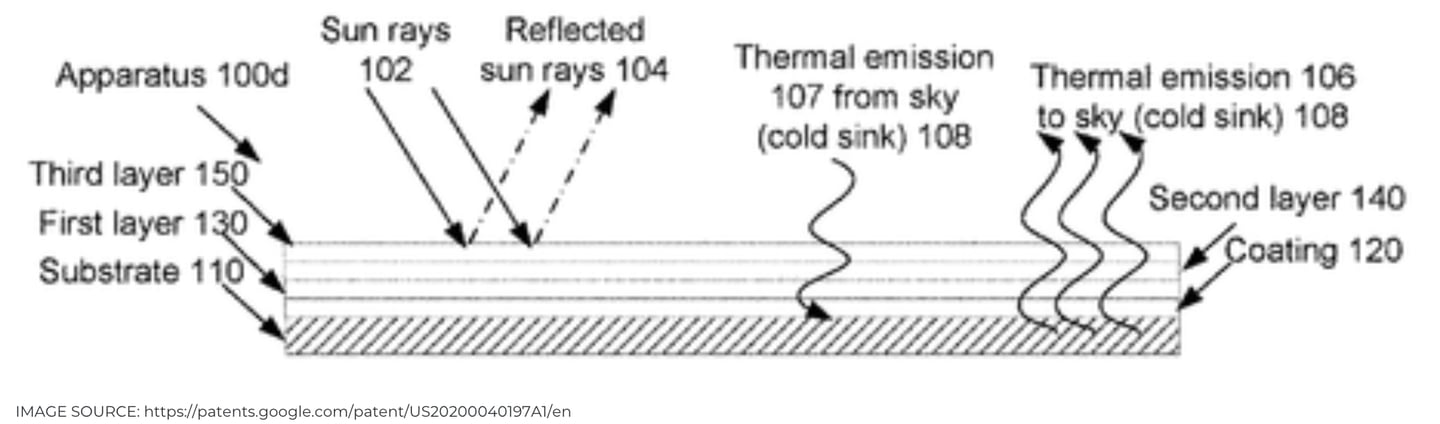
Passive Radiative Cooling (PRC) coatings are zero-energy, electricity-free cooling materials that reflect up to 98.1% of sunlight and dump surface heat directly into the freezing void of outer space (~2.7 K). Unlike standard reflective paints that only bounce away visible light, PRC coatings act as a optical one-way valve, achieving true sub-ambient cooling (dropping surface temperatures up to 5°C to 12°C below the surrounding air temperature) even under peak, direct midday sun.
The extreme cooling power of these coatings relies on two concurrent physics principles:
Solar Rejection: The coating acts as a highly efficient mirror, scattering and reflecting ultraviolet (UV), visible, and near-infrared light across the solar spectrum (0.3–2.5 μm wavelengths) to prevent any heat from being absorbed.
The Atmospheric Window Loophole: The coating is engineered with supreme thermal emissivity inside a very narrow electromagnetic gap known as the atmospheric transparency window (8–13 μm wavelengths). Because Earth's atmosphere does not absorb or reflect this specific frequency range, the heat radiated by the coating passes unhindered straight through the atmosphere and escapes into deep space.
🎨 Material Formulations & Chemical Fillers
Traditional white paints rely on titanium dioxide (TiO₂), which absorbs UV light and prevents sub-ambient daytime cooling. Advanced PRC formulations replace or optimize these bases using specialized structural matrices:
Barium Sulfate (BaSO₄): Popularized by researchers at Purdue University, using high concentrations of varied nanoscale BaSO₄ particles yields the highest recorded solar reflectance (98.1%).
Calcium Carbonate (CaCO₃): Highly abundant, cost-effective filler option showcasing the lowest overall lifecycle environmental impact compared to polymer films. [1, 2, 3]
Hollow Glass Beads & Microspheres (HGBs): Mixed into silicone-acrylic or polyurethane matrices to introduce internal micro-cavities that scatter light like snow while enhancing long-wave infrared thermal emission.
Eco-Friendly Bio-Waste Matrices: Recent breakthroughs utilize biopolymers like cellulose acetate or polylactic acid (PLA) paired with decolorized spent coffee grounds to create 100% biodegradable cooling layers.
Structural Color Adaptation: Moving past traditional bright white finishes, modern coatings incorporate specialized plasmonic arrays or ethyl cellulose layers. This creates vibrant structural colors (blues, greens, yellows) with negligible solar absorption penalties.
🚀 Industrial Applications
PRC coatings are rapidly transitioning from controlled laboratories into rugged, heavy-industry commercial deployments:
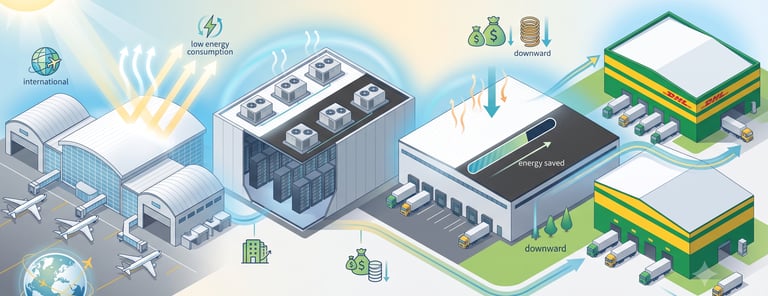
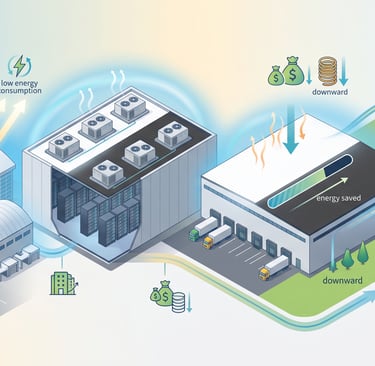
Architecture & Commercial Cool Roofs: Reducing HVAC and cooling system energy footprints by 10% to 20% when rolled onto corporate roofs, data centers, factory domes, and residential buildings.
Public Infrastructure: Applied onto high-speed railway track slabs to decrease surface temperatures by an average of 16°C, successfully preventing track warping and thermal stress deformation under extreme heat waves.
Transportation Fleet Safety: Deployed via multi-layer films and coatings (like 3M Passive Radiative Cooling Film) onto public infrastructure, electric vehicles, and London transit buses to passively regulate cabin temperatures and preserve battery life.
Photovoltaic Solar Arrays: Used as a transparent top coating for solar modules. By dropping cell temperatures by several degrees, it enhances the semiconductor's electrical conversion efficiency and prolongs service lifespans.
Atmospheric Water Harvesting: Utilizing sub-ambient surface temperatures to function like a cold mirror under direct sunlight. The coating forces airborne ambient moisture to spontaneously condense on it, draining pure water off without using mechanical power.
⚖️ Technical Challenges & Limitations
While highly effective, large-scale implementation faces specific real-world obstacles:
Environmental Degradation: Accumulations of dust, soot, organic pollution, and bird droppings quickly degrade solar reflectivity, requiring built-in superhydrophobic (water-repelling) or self-cleaning surface properties to survive outdoors.
Winter Over-Cooling: Because these systems are static, they continue dumping heat into space during winter. This increases building heating costs—fueling a new research sector for smart, temperature-adaptive coatings that can toggle solar absorption "on" when ambient temperatures drop
🛒 Commercially Available Products
You can purchase these materials today through specialized manufacturers, generally split into two product types:
Sprayable/Brush-On Liquid Coatings
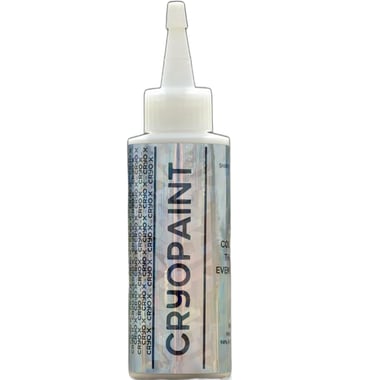
CryoPaint by Cryo X Co: A commercially available, water-based daytime radiative cooling paint. It reflects >96% of solar light and emits >94% of heat, lowering surface temperatures down to 15°F below the surrounding air temperature without electricity. It is sold directly for commercial building envelopes, vehicles, and outdoor equipment.
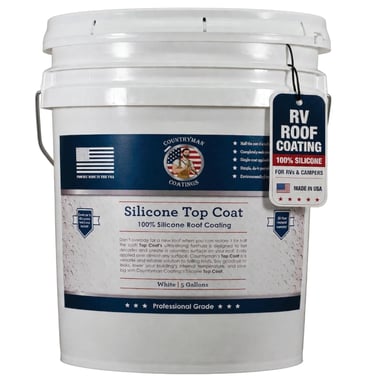
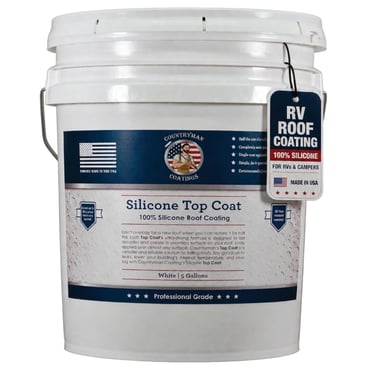
Countryman Coatings Silicone Top Coat reflects nearly 90% of the sun's ultraviolet (UV) rays. While often described colloquially as reflecting "90% of heat," its official technical rating specifically designates the reflection of 90% of UV rays to prevent solar radiation from penetrating the structure.
AMAZON AFFILIATE LINK


AMAZON AFFILIATE LINK
Subscribe to my newsletter
Get in touch
Whether you want to discuss a new brand identity project, look at custom travel prints, or just say hello, my inbox is always open.